GEORGE CHEN

  • About
  • Blog
  • Speaking
  • Teaching
  • Research
  • Photography
  • Food
  • Contact
HSBClogodesign2021.jpg

Design for Hong Kong: Henry Steiner

May 09, 2021 by George Chen in Hong Kong

I made a visit to the HKDI Gallery exhibition of Henry Steiner, who designed HSBC logo, Standard Chartered Hong Kong bank notes, and even AmCham Hong Kong logo, among many other great things.

Born in Austria, Steiner was well educated at Yale University in New Haven before he moved to Asia where his designer career really took off, especially after some early success in Hong Kong, which he also calls home.

Hong Kong used to be a magnet for talents from all over the world, and I hope it will continue to be so. Many people came to Hong Kong initially for a short stint, which later became a longer assignment or eventually a lifetime thing.

HSexhibition3.jpg
HSexhibition1.jpg
HSexhibition2.jpg

Those who left Hong Kong often succeeded elsewhere. For them, Hong Kong was the best “stepping stone” they can ever find in their life and career. That’s what Hong Kong means for many successful people, and that’s how Hong Kong contributes to the world.

I’m really impressed by Steiner’s graphic design work, especially his work for HSBC, from the meaningful logo to the bank’s annual reports in the 1980s and 1990s. I’m not sure if we should blame technology or what. Does design software like Photoshop make us smarter or lazier?

I was thinking about the recent controversial event about Karen Mok’s childish concert poster. What goes wrong with Hong Kong these days? We need to get back the golden times of Hong Kong design, just like how much we want to keep growing our beloved Cantopop songs and culture.

香港人加油! Add oil, Hongkongers!

May 09, 2021 /George Chen
Hong Kong
Hong Kong
burntcheesecakehk2021.jpg

Burnt Cheesecake

May 09, 2021 by George Chen in Hong Kong

Burnt cheesecake is definitely trending in Hong Kong these days. If a coffee shop doesn’t know how to make burnt cheesecake, then it is definitely out.

Do my friends in New York or London or Paris also see burnt cheesecake a popular choice at cafes there? I’m curious. In Hong Kong, my favourite pick goes to La Viña in Central, which is also a supplier to many local coffee chains including Cupping Room Coffee Roasters.

Yes, it may not look nice (well, in other words, it may not be very Instagram-friendly) but it does taste delicious…

One more please!

May 09, 2021 /George Chen
WhatGeorgeEats
Hong Kong
Forrest-became-a-ping-pong-star-and-endorser-in-the-early-1970s.jpg

Ping Pong Diplomacy

April 11, 2021 by George Chen in China, Hong Kong

Fifty years ago today (April 10, 1971), a group of American table tennis players and diplomats arrived in Hong Kong and then traveled to China to kick off their national tour in Guangzhou, Beijing, and Shanghai, which was later dubbed by the media as the "Ping Pong Diplomacy." That was the first US delegation to set foot on Chinese mainland in over 20 years.

The 1971 "Ping Pong Diplomacy" for the United States and the People's Republic of China paved the way for President Richard Nixon's historic visit to Beijing in the following year. The rest is history.

Fifty years on. What have we learned? What have we misunderstood? Food for thoughts...

(Photo: Forrest Gump, the 1994 movie based on some true events)

April 11, 2021 /George Chen
China, Hong Kong
China, Hong Kong
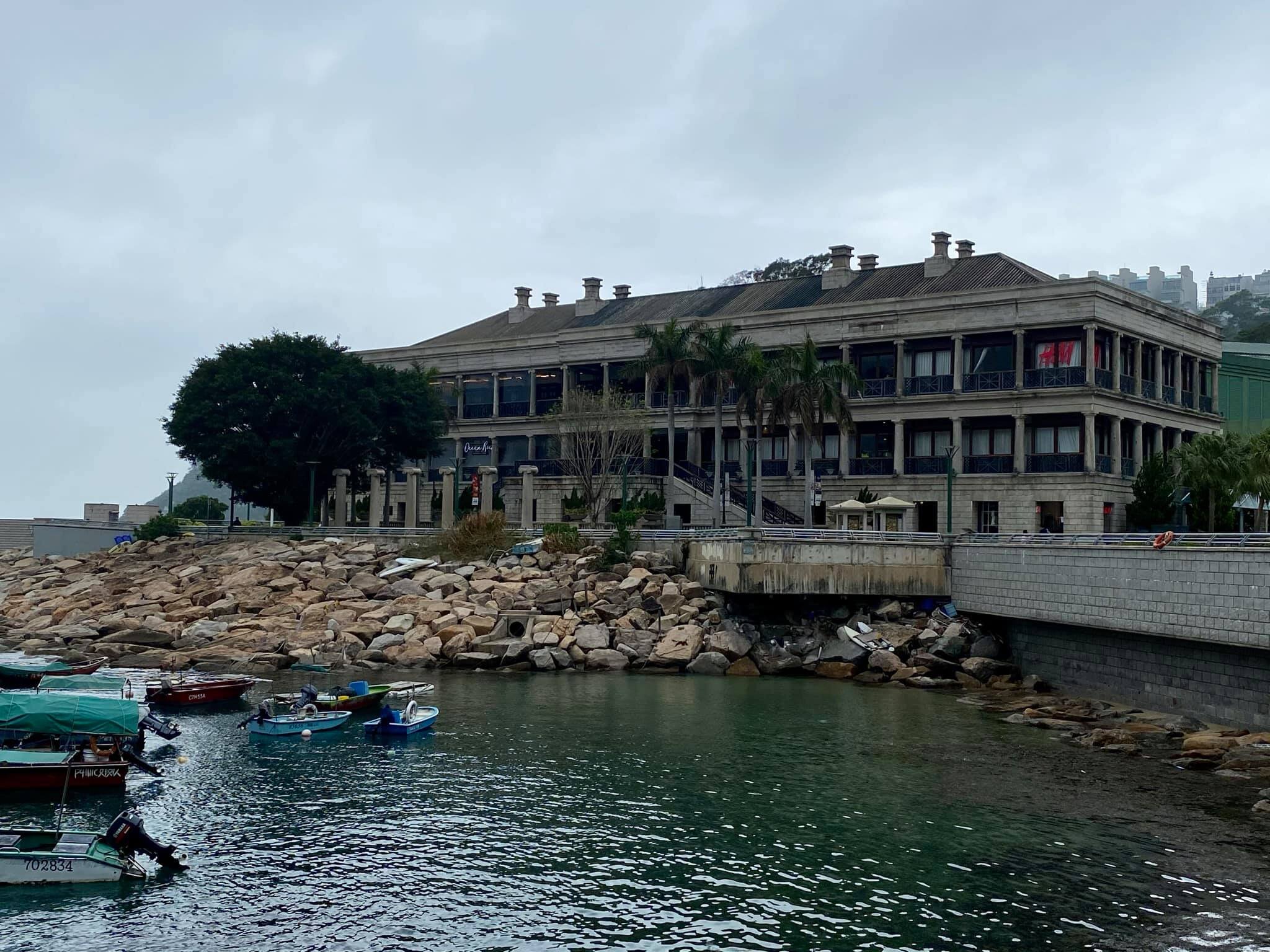
Murray House after relocation to Stanley, Hong Kong

Murray House after relocation to Stanley, Hong Kong

One Hong Kong, Two Murrays

March 07, 2021 by George Chen in Hong Kong
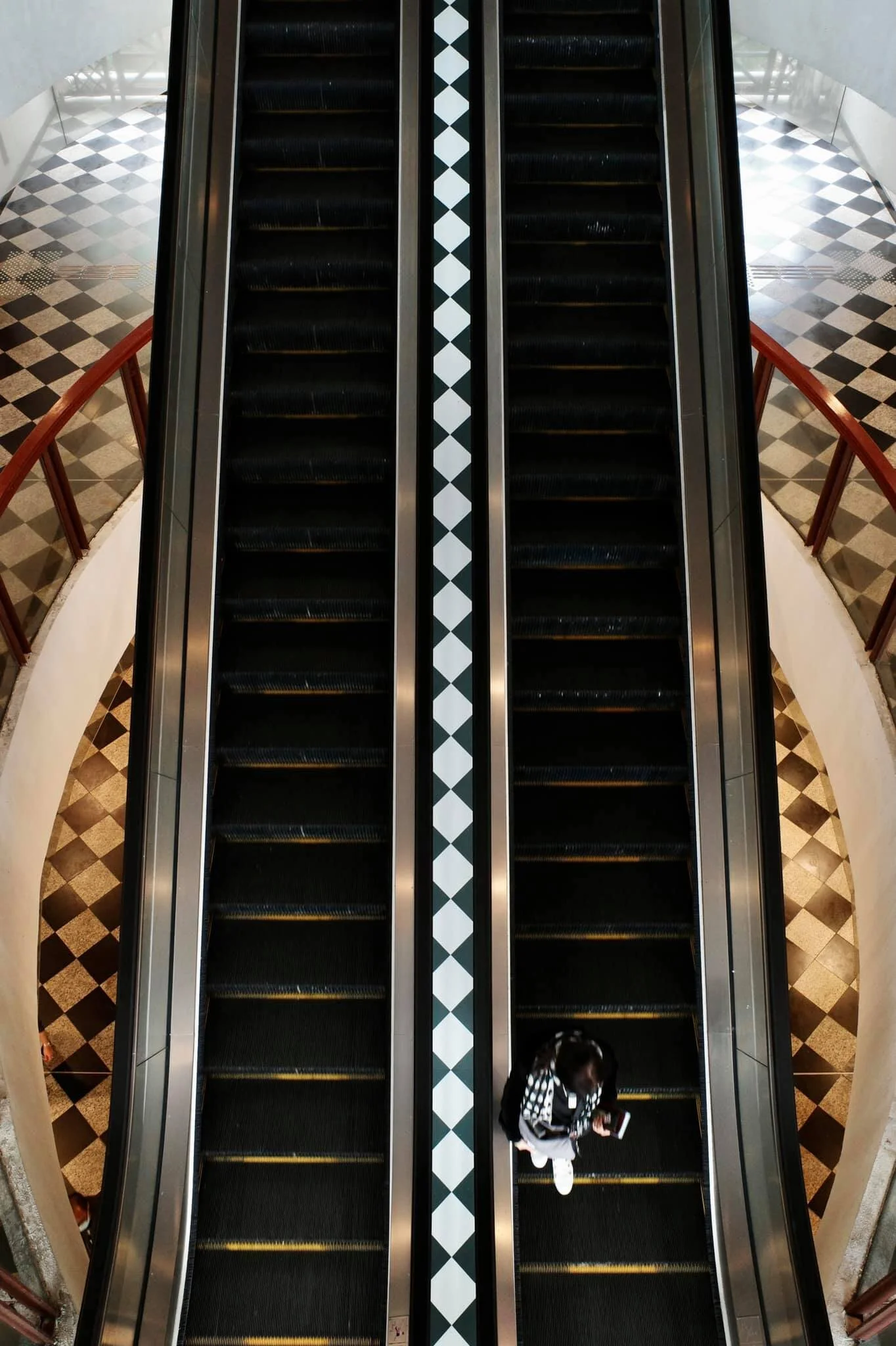
Inside the old and original Murray House

Inside the old and original Murray House

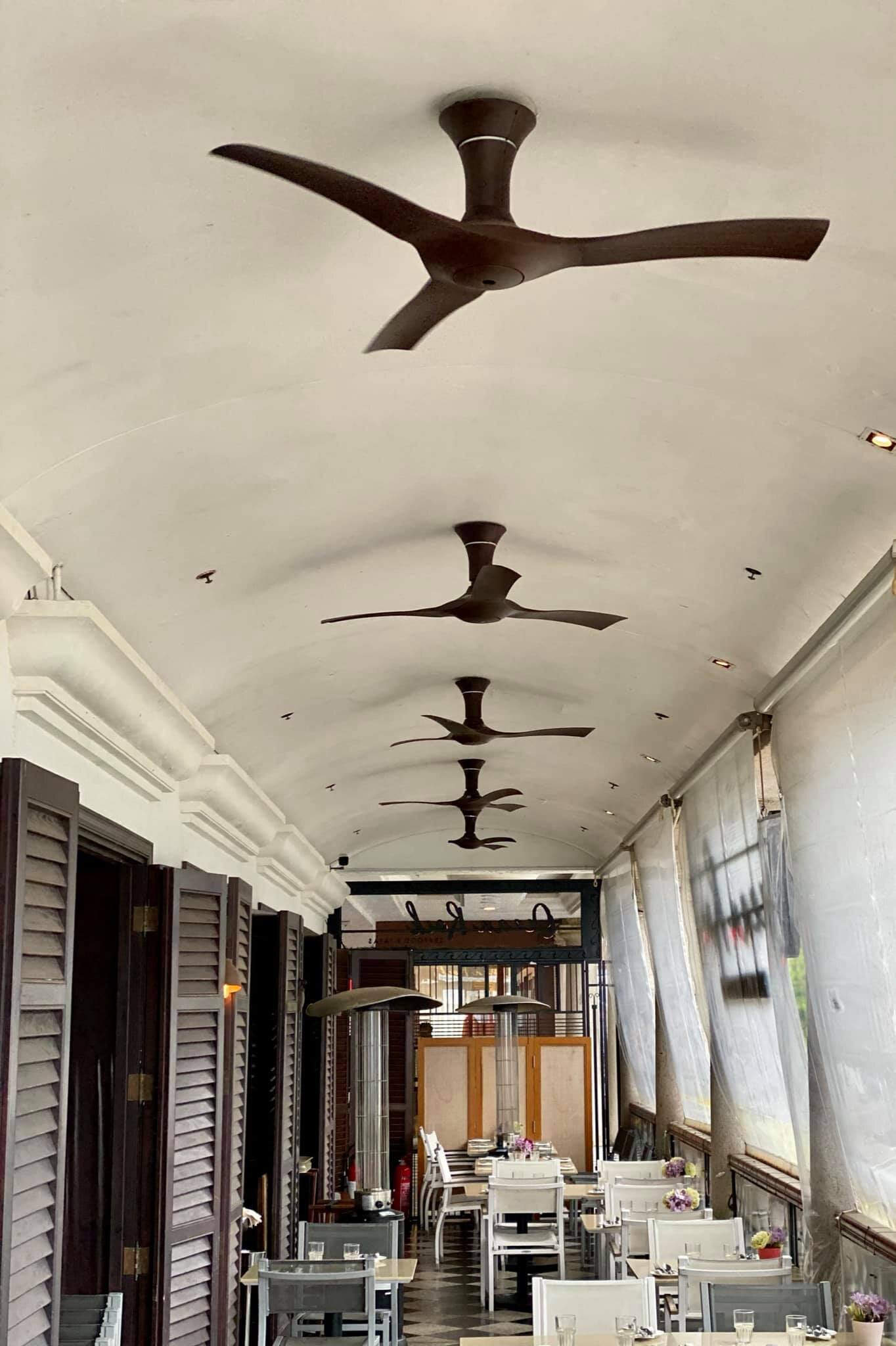
A seafood restaurant now occupies one floor in the old Murray

A seafood restaurant now occupies one floor in the old Murray

Murray House (美利樓) is a Victorian-era building in Stanley, Hong Kong.

Built in the present-day business district of Central in 1846 as officers' quarters of the Murray Barracks, the building was moved (piece by piece!) to the south of Hong Kong Island during the 2000s. This building has become an iconic landmark in Hong Kong. After housing the Hong Kong Maritime Museum for some years following its relocation to Stanley, it is now home to restaurants and shops.

In the original location of the old Murray in Central near the US Consulate General, there is now also a new Murray, a luxury hotel that was built and opened for business just few years ago.

I like the old Murray more than the new one. The old Murray is a witness and reflection of Hong Kong history, both the good and bad times. The new Murray does show very good design and architecture but it needs time to tell its own story, the story of new Hong Kong it can witness.

Whenever I visit Stanley, I always love to take some photos of the old Murray. A day trip to Stanley and check out the old Murray does feel like a short escape from the busy and noisy city centre where the new Murray now sits and pretends to say ... everything will be alright in Hong Kong.

March 07, 2021 /George Chen
Hong Kong, Stanley, 香港, 赤柱
Hong Kong
(Photo by George Chen)

(Photo by George Chen)

Photo Essay: Shanghai Pan-fried Buns

February 20, 2021 by George Chen in Hong Kong, Shanghai

Sheng Jian Bao (生煎包), aka pan-fried buns, is an iconic Shanghai snack. The wrapper is made from yeast dough and usually the filling contains minced pork, spring onion and various seasonings. It’s quite small in size, similar to a golf ball or even smaller.

The name of the buns “Sheng Jian” comes from its method of cooking. The buns are lined up in an oiled, shallow, flat pan. Typical commercial pans are more than a metre in diameter. The buns are lined up in the pan with the "knot", where the dough is folded together, facing downwards and thus in direct contact with the oiled pan and fried into a crispy bottom during the cooking process. Water is sprayed on the buns during cooking to ensure the top (which is not in contact with the pan or the oil) is properly cooked.

Shanghaibuns2021-2.jpg
151700121_10157681188732341_7197746972231036683_o.jpg
Shanghaibuns2021-4.jpg
Euo-U-UVgAA66rf.jpeg

After frying, the bottom of the bun becomes crunchy, and the gelatin melts into soup. This combination gives the Sheng Jian Bao its unique flavor. Because the buns are tightly lined up in the pan, they become somewhat cube-shaped after cooking. While waiting to be served, the chef may flip the buns so that the fried base faces upwards to prevent the crispy bottom from getting soggy in the process of cooling.

The traditional Sheng Jian Bao has pork fillings. Common variations include chicken, pork mixed with prawns, and pork mixed with crab meat.

In the hometown of pan-fried buns Shanghai, Sheng Jian Bao is traditionally served as breakfast at small local restaurants or just street stalls. They are often cooked in a large pan in front of the queueing customers.

In Hong Kong there are quite a number of well-known Sheng Jian Bao restaurants due partly to long relationship for migrants from Shanghai to Hong Kong since the 1930s. Cheung Hing Kee (祥興記) is one of my favorites. The store received the honour of a mention in the 2016 Michelin Guide, making it more famous in Hong Kong and beyond since then.

Now Cheung Hing Kee has several branches all over Hong Kong, including at least two shops in Central and Sheung Wan areas.

If you travel to Shanghai, the locally best-known Sheng Jian Bao shops are Da Hu Chun (大壺春), which literally means “a big pot of spring (flavor)”, and a relatively late-comer, Yang’s Dumplings (小楊生煎), which now even has shops outside China, like in Australia. Yang’s Dumplings are said to be backed by venture capital and may plan an IPO someday.

Dumpling (bun) is in fact already a billions-dollar business. Seriously!

February 20, 2021 /George Chen
WhatGeorgeEats, Hong Kong, Shanghai, 香港
Hong Kong, Shanghai
  • Newer
  • Older

© Copyright by George Chen